
No products in the cart.

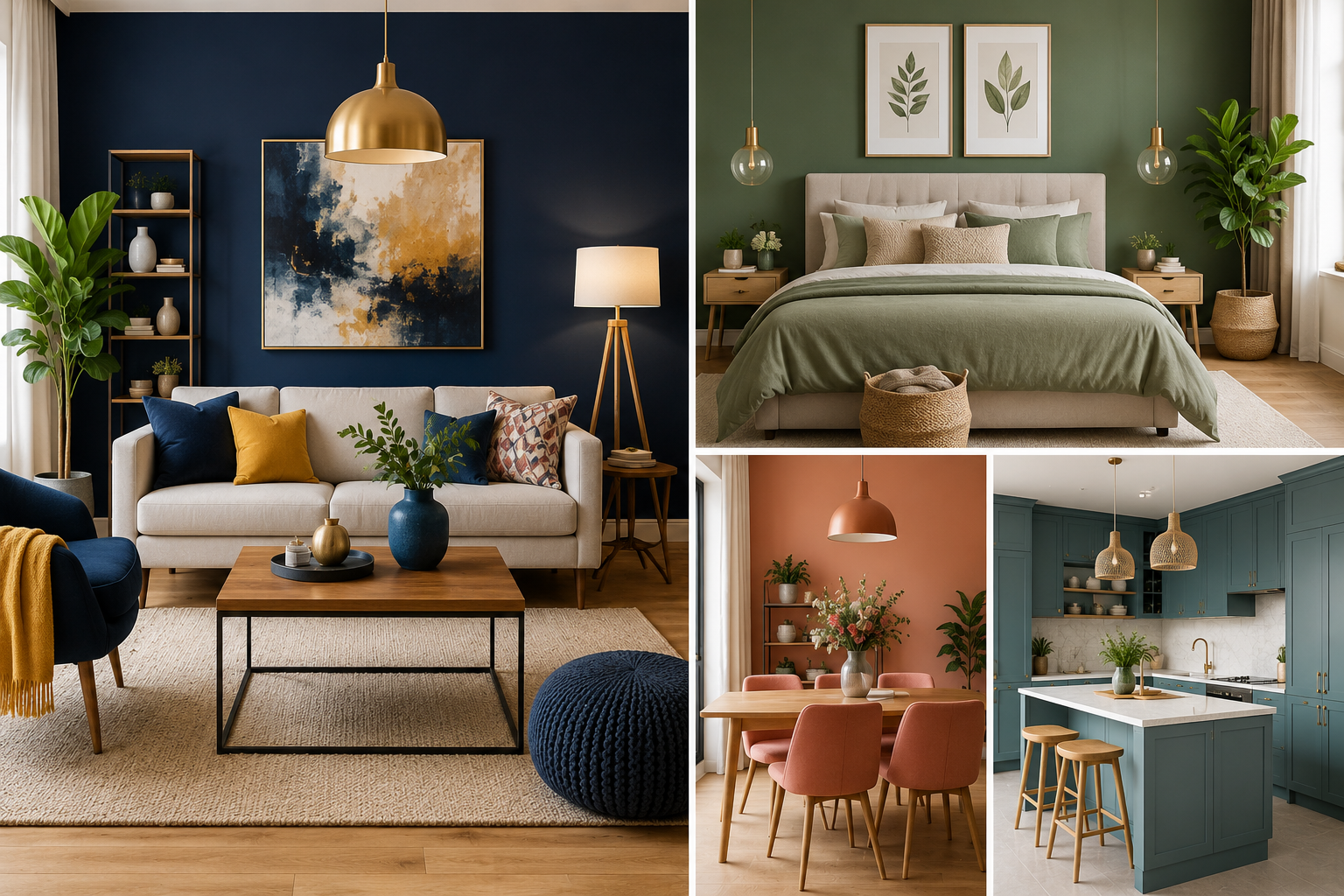
Living in a small home comes with its own set of challenges, especially when it comes to storage. Limited space can quickly lead to clutter, making your home feel crowded, messy, and uncomfortable. However, the good news is that you don’t need a bigger house to live comfortably. With the right storage strategies, even the smallest home can feel organized, spacious, and functional.
The secret isn’t adding more furniture or buying expensive storage units. It’s about using your available space wisely and creatively. When every item has a proper place, your home becomes easier to manage, cleaner to look at, and far more relaxing to live in. This guide walks through practical, budget-friendly storage ideas you can start applying today, no matter how small your space is.
Why Storage Matters in Small Homes
Storage plays a very important role in small homes because space is limited. When things aren’t organized properly, even a few extra items can make a room feel suffocating. On the other hand, a well-organized space can feel open and comfortable, even if it’s genuinely small in square footage.
Good storage improves your daily routine in ways people often underestimate. You spend less time searching for things, cleaning becomes easier, and mornings feel less rushed because everything has a home. It also reduces stress — a clutter-free environment naturally creates a calmer, more peaceful atmosphere, which matters even more in a home where you can’t simply “shut the door” on a messy room.
There’s also a visual benefit. A tidy, organized home always looks more attractive, and even simple, inexpensive furniture can look stylish when everything is arranged with intention. But when items are scattered everywhere, the entire space can look messy, no matter how expensive the decor actually is.
Key Point: Storage isn’t just about keeping things — it’s about improving your lifestyle and making your home more functional, calmer, and easier to live in every single day.
1. Use Vertical Space Efficiently
One of the most common mistakes people make in small homes is ignoring vertical space. Most people focus only on the floor and forget that walls can provide a huge amount of usable storage that’s completely free to access.
By using wall-mounted shelves, cabinets, and hooks, you can store a surprising number of items without touching your floor space at all. Tall storage units that reach the ceiling are especially useful because they increase storage capacity while also making the room look taller and less cramped — a nice side effect that flatter, wide furniture can’t offer.
Vertical storage is ideal for books, decorative items, kitchen essentials, folded clothes, and even off-season items you don’t need every day. It also helps keep the floor clear, which visually opens up the room and makes it feel far less crowded than it actually is.
Benefits of Vertical Storage
Practical Ideas
Key Point: Keep frequently used items at eye level, and store less-used items higher up where they’re out of the way but still easy enough to reach with a small step stool.
In small homes, furniture should ideally do more than one job. Multi-functional furniture is specifically designed to save space while quietly providing extra storage you wouldn’t otherwise have.
For example, a bed with built-in drawers can store clothes, blankets, and seasonal items that would otherwise take up an entire closet shelf. A sofa with hidden storage keeps your living room neat by tucking away cushions, magazines, or remote controls. Foldable furniture, like drop-leaf tables or folding chairs, can be used only when needed and tucked away completely out of sight afterward.
Examples of Multi-Functional Furniture
This type of furniture reduces clutter dramatically and makes your home significantly more efficient. It’s genuinely one of the best long-term investments for anyone living in a small space, since it solves two problems — seating or sleeping, and storage — with a single purchase.
Key Point: Always choose furniture that fits your room’s actual size and doesn’t make the space feel tight or block natural walking paths.
The area under the bed is one of the most commonly wasted spaces in any home, yet it can be an extremely useful storage zone once you start using it properly. It’s perfect for items you don’t need on a daily basis but still want easy access to.
You can use flat storage boxes, fabric baskets, or vacuum-sealed bags to organize items neatly and keep dust out. This space is ideal for storing seasonal clothing, extra bedding sets, spare pillows, or shoes you don’t wear often.
Advantages
Key Point: Use clearly labeled containers so you can find exactly what you need quickly, without pulling every box out from under the bed just to check one item.
4. Smart Kitchen Storage Ideas
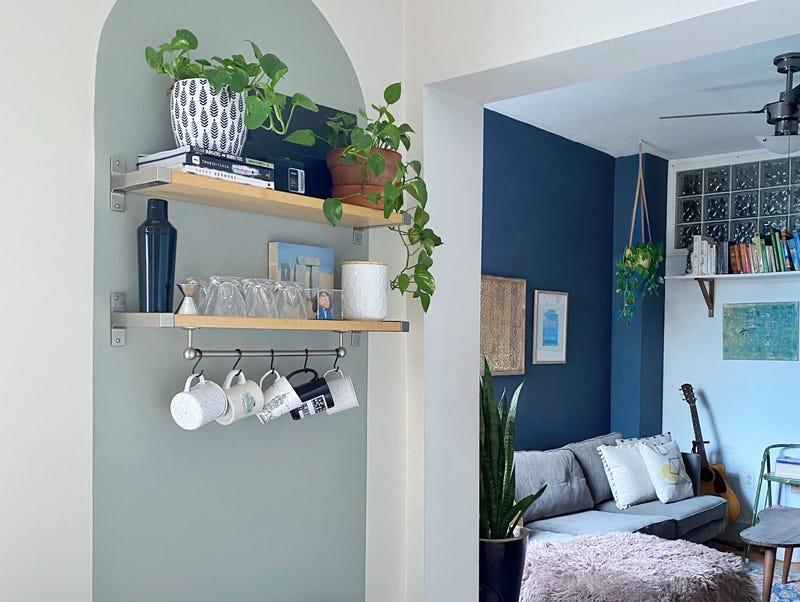
The kitchen is one of the busiest areas in any home, and in small spaces, it can become cluttered faster than almost any other room. Proper organization here makes a noticeable difference to your daily routine, especially during cooking and cleanup.
Kitchen Storage Ideas
Key Point: Avoid keeping unnecessary gadgets or duplicate tools in the kitchen — every extra item takes up space that could hold something you actually use on a regular basis.
5. Closet Organization Hacks
Closets in small homes can feel painfully limited, but with the right organization system, they can hold significantly more than most people assume.
Tips for Closet Organization
Key Point: Remove clothes you no longer wear on a seasonal basis — this single habit instantly creates more usable space without spending a single rupee on new organizers.
Hidden storage is one of the smartest ways to keep a home looking clean and open while still storing everything you actually need, out of sight and out of mind.
Examples
Key Point: Walk through your home and look specifically for unused corners, gaps, and awkward nooks — nearly all of them can be converted into useful hidden storage with minimal effort.
Doors and corners are two of the most overlooked areas in any home, yet they can be genuinely useful storage zones in a small space.
Ideas
Key Point: Choose compact, slim-profile designs that fit easily into corners without blocking doorways or everyday movement through the room.
Small homes can feel just as spacious and calm as larger ones with the right storage approach. The key is using your available space wisely and staying consistently organized. The best strategies include:
1. What is the best storage solution for a small home? Vertical storage — using walls, tall shelves, and floor-to-ceiling units — offers the most storage without taking up extra floor space.
2. How can I organize a small home without buying new furniture? Start by decluttering and using existing spaces more effectively, such as under the bed, inside closets, and behind doors.
3. What furniture is best for small spaces? Multi-functional furniture like storage beds, ottomans, and foldable tables works best, since it saves space while adding hidden storage.
4. Is under-bed storage actually effective? Yes, it’s one of the most underused storage areas in most homes and works well for seasonal items, extra bedding, and shoes.
5. How do I stop my small kitchen from feeling cluttered? Use stackable containers, wall-mounted racks, and magnetic strips, and avoid keeping duplicate or rarely used gadgets.
6. How often should I declutter a small home? Regularly, rather than once a year — small, consistent decluttering sessions prevent items from piling up again.
7. Do light-colored storage furniture pieces really make a difference? Yes, light colors help a room feel more open and less visually crowded compared to bulky, dark furniture.
8. What’s the biggest mistake people make with small home storage? Keeping unnecessary items “just in case” and ignoring vertical wall space are two of the most common mistakes.
You don’t need a bigger house to live comfortably — you need a smarter system. With thoughtful storage ideas, even a small home can feel open, clean, and genuinely enjoyable to live in. Start with small changes, stay consistent, and gradually build on what works. Over time, your home will become noticeably more functional, less stressful to maintain, and a space you actually enjoy spending time in.

Leave a comment