
No products in the cart.



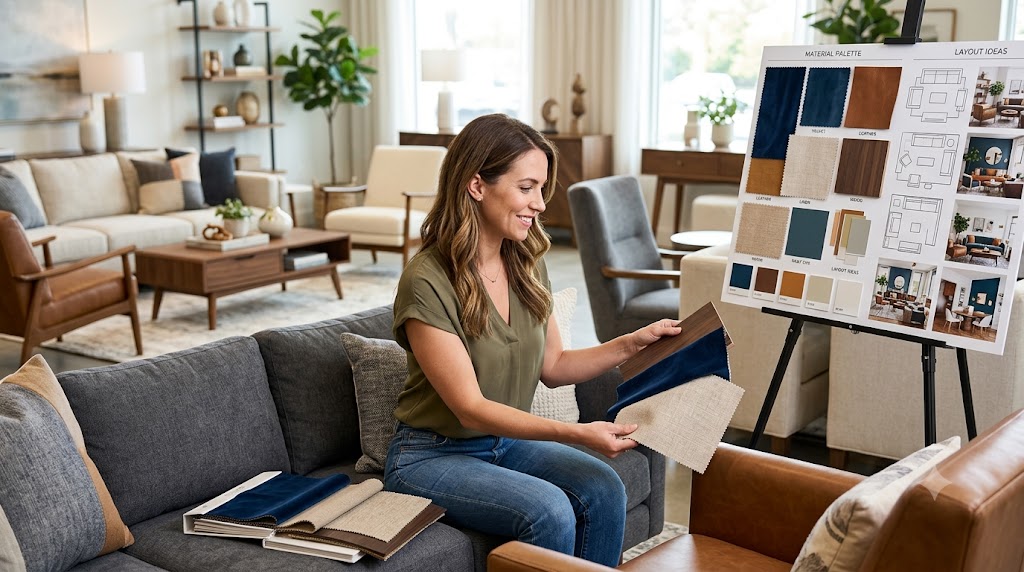
Have you ever walked into your living room and felt like something just isn’t right? Maybe the sofa looks too big, the chairs don’t match, or the space feels crowded instead of relaxing. You try to fix it, but nothing seems to work. This situation is very common, especially for people who don’t know how to choose living room furniture properly.
Your living room is not just another room in your house. It is the heart of your home. It is where you sit with your family, relax after a long day, watch TV, and welcome guests. So, it should feel comfortable, open, and beautiful at the same time. But choosing the best furniture for living room spaces can feel confusing because there are so many styles, sizes, and options available.
Part of the confusion comes from the fact that furniture shopping today is not as simple as walking into one store and picking what looks nice. You have online marketplaces, local showrooms, custom carpenters, and social media trends all pulling you in different directions. One day you see a bold, colorful sofa on Pinterest and want it instantly. The next day you visit a friend’s house and fall in love with their minimal, neutral setup. Without a clear plan, it is very easy to end up with a living room that feels like a random collection of items instead of one cohesive space.
Don’t worry. This complete living room furniture buying guide will help you understand everything step by step in very simple language. Even if you are a beginner, you will learn how to pick the right furniture, arrange it properly, and create a space that feels just perfect. By the end of this guide, you will have a clear checklist in your mind every time you walk into a furniture store or browse an online catalog.
Before you start buying anything, you need to understand what furniture is actually necessary. Many people think that filling the room with lots of items will make it look better, but in reality, too much furniture makes the space feel crowded and uncomfortable.
A well-balanced living room usually includes a few important pieces that make the space functional and cozy without overloading it. The most common items are a sofa or couch, a coffee table, side tables, a TV unit, and sometimes extra chairs or storage cabinets. Each of these pieces has a specific job to do, and understanding that job helps you decide whether you truly need it or whether it is just taking up space.
Here are the basic furniture pieces most living rooms need:
Beyond these basics, some homes also benefit from an accent chair for extra seating during gatherings, a bookshelf if you enjoy reading, or a console table behind the sofa if your layout allows for it. The point is not to buy every item on this list just because it exists. Instead, think about how your family actually uses the room on a normal day and let that guide your choices.
The key is to keep things simple. If you add too much furniture, the room will lose its beauty. Always leave enough space so people can walk freely and the room feels open. A good rule of thumb is that if you cannot comfortably walk around a piece of furniture without turning sideways, the room probably has too much in it.
One of the biggest mistakes people make is buying furniture without measuring their space. This often leads to problems like a sofa that is too big or furniture that doesn’t fit properly. It is disappointing to order a beautiful sofa online, wait for delivery, and then realize it barely fits through the door or takes up almost the entire room.
Before buying anything, take time to measure your living room. Check the length and width of the space, note where the doors and windows are, and think about how much walking space you need. Also measure doorways, staircases, and hallways that the furniture will need to pass through during delivery. This step helps you decide the best sofa size for your living room layout and prevents costly mistakes.
It also helps to use painter’s tape on the floor to outline where each piece of furniture will sit before you buy anything. This simple trick lets you visualize the actual footprint of a sofa, table, or shelf, and it often reveals problems you would not have noticed just by looking at a photo online.
If you have a small room, don’t worry. You can still create a beautiful space by using smart small living room furniture ideas. The goal is to make the room feel bigger and more open.
For small spaces, you should:
These simple ideas are very helpful when learning how to choose furniture for a small living room, and they work just as well in an apartment as they do in a larger house.
The sofa is the most important piece of furniture in your living room. It is where you sit, relax, and spend most of your time. That’s why choosing the right sofa is very important, and it deserves more thought than any other purchase in the room.
When thinking about how to pick the right couch, you should consider your daily needs. Ask yourself how many people will use it regularly, whether you prefer soft or firm seating, and if you have children or pets. These factors help you select a comfortable sofa set that fits your lifestyle. A household with young kids, for example, may prioritize stain-resistant fabric over a delicate, light-colored material.
The size of the sofa should always match your room size. A small room looks better with a compact two-seater, while a medium-sized room can handle a three-seater. Large rooms can easily fit sectional sofas that provide more seating space.
Here is a simple size guide:
| Room Size | Recommended Sofa |
| Small Room | 2-seater or loveseat |
| Medium Room | 3-seater |
| Large Room | Sectional sofa |
The material of the sofa is also very important. Fabric sofas are soft and affordable, leather sofas are stylish and easy to clean, and microfiber is strong and perfect for homes with pets. Choosing the right material ensures durability and comfort for long-term use.
It is also worth paying attention to what is inside the sofa, not just what covers it. A hardwood frame will last much longer than a particleboard one, and high-density foam cushions keep their shape far longer than cheaper filling. Sitting on a sofa for a few minutes in the store before buying can tell you a lot more than any product description.How to Choose Living Room Furniture
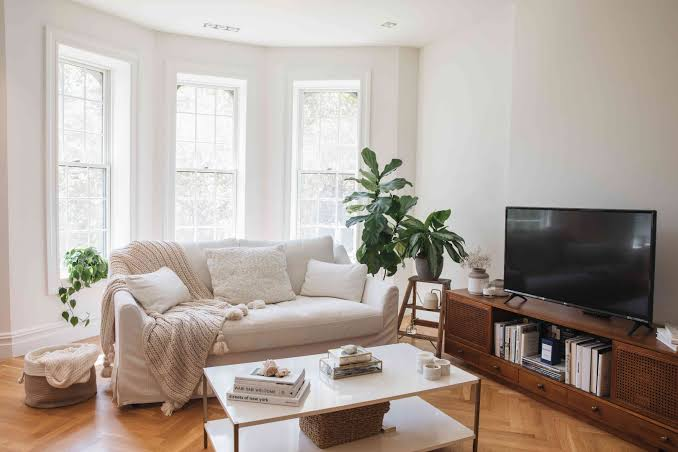
Even the best furniture won’t look good if it is not arranged properly. A smart furniture layout for living room spaces can make your home feel open, organized, and welcoming.
There are different layout styles you can use depending on your needs. A conversation layout is great for families because it places sofas and chairs facing each other. A TV-focused layout is ideal for entertainment, where all seating faces the television. An open layout works best for small spaces because it keeps the room feeling spacious. There is also a symmetrical layout, where matching chairs or sofas are placed on either side of a central point like a fireplace or window, which creates a very balanced and calm feeling.
When arranging furniture in the living room, always remember:
A well-planned layout makes your room feel bigger and more comfortable, and it can completely change how a space feels even without buying anything new.
Color plays a huge role in how your living room looks and feels. Many people ask what color furniture is best for living room spaces, and the answer depends on your room size and style.
Light colors such as white, beige, and light grey make your room look bigger and brighter. They create a calm and peaceful environment. Dark colors like black, brown, and navy give a rich and elegant look, but they work better in larger spaces where they do not overwhelm the room.
To keep your design simple and attractive:
These tips help you match living room furniture styles easily without making the space look messy. A helpful trick is the 60-30-10 rule, where 60 percent of the room uses your main color, 30 percent uses a secondary color, and 10 percent is reserved for bold accents like cushions or artwork.
Your living room should reflect your personality. Choosing a style helps you create a space that looks clean and organized instead of random.
Some popular styles in 2026 include modern living room furniture ideas with clean lines and neutral colors, minimalist styles that focus on simplicity, and luxury designs that use rich fabrics and elegant finishes.
Other styles include Scandinavian designs with light wood and cozy vibes, boho styles with colorful patterns and plants, and farmhouse styles that feel warm and traditional. There is also industrial style, which uses raw materials like metal and exposed wood for a rugged, urban feel, and Japandi style, a growing trend that blends Japanese simplicity with Scandinavian warmth.
Instead of mixing too many styles, it is better to choose one main theme and follow it. This makes your living room look more professional and visually appealing. If you are unsure which style suits you, look through a few saved photos you already like and see if there is a pattern in the colors, materials, or shapes you are naturally drawn to.
Furniture should not only look good but also be practical. This is especially important for families who use the living room every day.
Modern homes often use multi functional living room furniture to save space and increase comfort. Items like storage sofas, foldable tables, and sofa beds are great choices because they serve more than one purpose. An ottoman that opens up for storage or a coffee table with drawers can quietly solve a lot of clutter problems without adding extra furniture to the room.
When choosing furniture for daily use, always look for:
These features ensure your furniture lasts longer and stays in good condition, which matters even more in households with children, pets, or frequent guests.
You don’t need a lot of money to create a beautiful living room. With smart planning, you can design a stylish space within your budget.
Start by buying the most important items first, like a sofa and a table. Then slowly add more pieces over time. You can also mix new furniture with second-hand items to save money, and a fresh coat of paint or a new cushion cover can make an old piece feel brand new again.
Some easy ways to stay within budget include:
Here is a simple price guide:
| Item | Price Range |
| Sofa | $200 – $1000 |
| Coffee Table | $50 – $300 |
| TV Unit | $100 – $500 |
| Chairs | $50 – $400 |
This helps you understand how to choose affordable living room furniture without overspending, while still creating a space that feels intentional rather than thrown together.
You don’t need to buy a full matching set to create a beautiful living room. Mixing and matching different furniture pieces can make your space look more stylish and unique.
You can combine materials like wood, metal, and fabric to create a balanced design. The key is to keep colors and textures consistent so everything looks connected. A helpful approach is to repeat one material or color at least twice in the room, such as using the same wood tone on both the coffee table and a shelf, so the eye has something familiar to follow.
For example:
This approach creates elegant living room furniture combinations without making the room look boring, and it often results in a more personal, curated look than a matching showroom set.
If your living room feels small, there are simple tricks that can make it look larger without changing the actual size.
You can use light-colored furniture, add mirrors to reflect light, and choose furniture with legs instead of bulky designs. Keeping the layout simple and avoiding clutter also helps create an open feel. Hanging curtains closer to the ceiling rather than right above the window frame can also trick the eye into seeing taller walls, which makes the entire room feel more spacious.
These small changes can make a big difference and improve the overall look of your space, often at little to no extra cost.
After choosing your furniture, it is important to take care of it properly. Good maintenance helps your furniture last longer and keeps your living room looking fresh.
You should clean your sofa regularly, avoid placing furniture in direct sunlight, and use covers for protection. Tightening screws and checking fittings from time to time also helps maintain durability. Vacuuming fabric surfaces weekly and wiping down wood or leather with the right cleaning products will prevent long-term damage that is often hard to reverse.
Choosing high-quality materials like hardwood frames and strong fabric ensures long-lasting performance, especially for family living rooms where furniture gets used every single day.
Choosing the right living room furniture may seem difficult at first, but once you understand your space, needs, and style, the process becomes much easier. The most important thing is to keep your design simple, focus on comfort, and avoid overcrowding your space.
Your living room does not need to look perfect like a showroom. It just needs to feel comfortable, welcoming, and right for you. When you follow these simple steps, measuring your space, choosing the right sofa, planning your layout, picking a color scheme, and taking care of your pieces over time, you can create a space that not only looks beautiful but also feels like home every single day.

Leave a comment