
No products in the cart.



A Complete Guide
Home security works best with a “defense in depth” strategy, meaning multiple layers of protection working together rather than relying on a single solution. While cameras and alarms help you monitor threats and respond quickly, they do not physically stop an intruder from getting inside — they simply record or alert you after the fact.
Your main physical protection is your door lock system. Most burglaries happen through doors, whether it’s the front door, back door, or a side entrance, so upgrading locks can significantly reduce break-in risks by increasing the time and effort required to get inside. Burglars are often looking for quick, easy targets, and a home with strong, well-installed locks sends a clear signal that it isn’t one of them.
This guide walks through everything you need to know about lock grades, common break-in methods, how to reinforce your doors and frames, and how to decide between smart locks and traditional deadbolts — so you can build a genuinely strong line of defense at every entry point in your home. Whether you’re moving into a new house, recovering from a recent break-in scare, or simply want peace of mind, the steps below are designed to be practical and achievable for almost any budget.
Locks sold for residential and commercial use are classified into three levels by the American National Standards Institute (ANSI) and the Builders Hardware Manufacturers Association (BHMA):
Understanding this grading system is the first step toward making informed decisions when shopping for new locks, rather than simply picking whatever looks sturdy on the shelf or trusting marketing claims printed on the packaging. Many hardware stores don’t clearly display grade ratings, so it’s worth checking product specifications online or asking a store associate directly before making a purchase.
Understanding the weaknesses burglars typically exploit helps you secure your home more effectively. Here are the most common methods used to bypass locks and doors:
Kick-Ins
Kick-ins are one of the most common break-in methods because most standard door installations use short, weak screws that barely reach the door frame, let alone the wall studs behind it.
Lock Picking & Bumping
Drilling
Lock Snapping
Knowing these methods helps explain why certain lock features — like anti-pick, anti-drill, anti-bump, and anti-snap protections — are so important when choosing a new lock for your home.
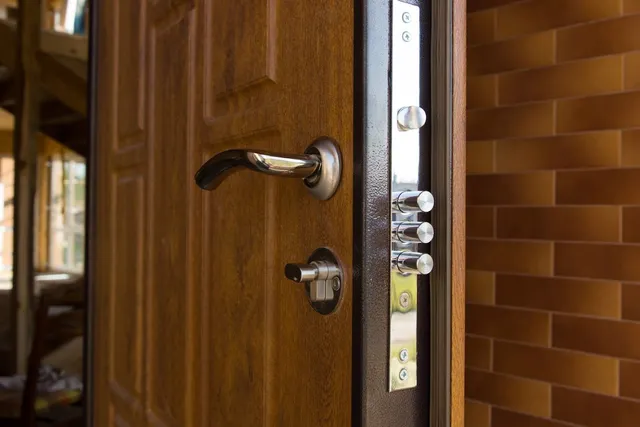
The first and most important step is replacing basic locks with high-quality deadbolts.
A high-security deadbolt is the single biggest upgrade most homeowners can make, since it directly addresses the weakest point in most standard door setups.
Even the best lock in the world fails if the surrounding door frame is weak. This is one of the most overlooked aspects of home security.
This single upgrade makes your door dramatically stronger against kick-ins, since the force from a kick is now distributed into the structural studs of your home rather than concentrated on a few inches of trim wood.
Even a reinforced lock and strike plate can’t fully compensate for a weak door.
This combination — a strong door, a reinforced frame, and a high-security lock — creates a genuinely difficult barrier for anyone attempting a forced entry.
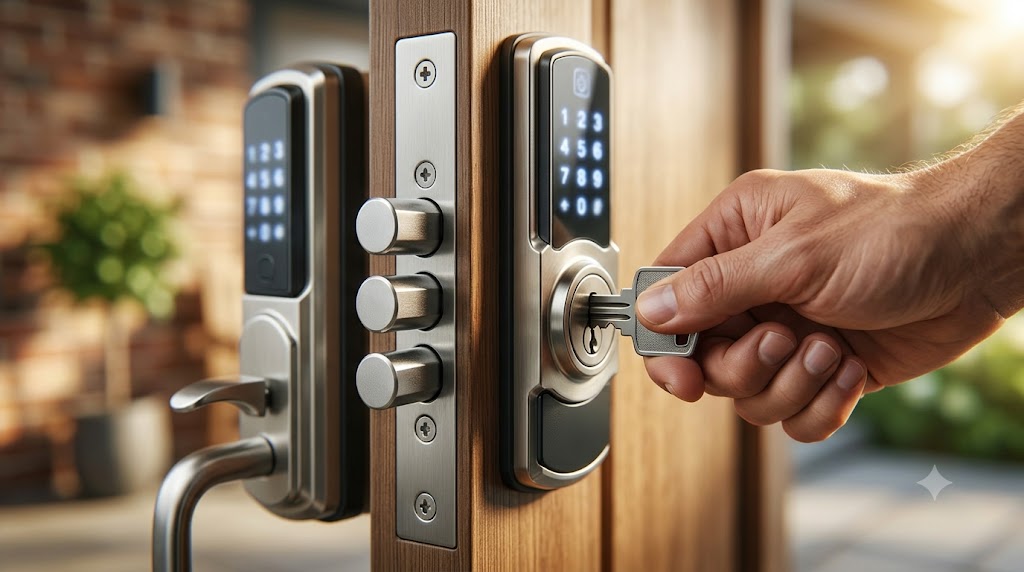
Smart locks have become increasingly popular in recent years, offering convenience that traditional deadbolts simply can’t match. However, they require careful selection to ensure they don’t sacrifice security for convenience.
Despite these conveniences, not all smart locks are created equal, and some sacrifice physical security for flashy features.
A smart lock with weak physical hardware is still vulnerable to the same kick-ins, drilling, and snapping methods as a cheap traditional lock, so don’t let convenience features distract from core security fundamentals.
Standard keys are notoriously easy to copy, often for just a few dollars at any hardware store, with no verification required.
While locks and doors form the core of your home’s physical security, a few additional layers can further strengthen your defenses:
Combining these layers with strong locks and doors creates the kind of comprehensive “defense in depth” strategy that professional security experts recommend. No single measure is foolproof on its own, but together they make your home a far less appealing target compared to houses with only basic, factory-installed hardware.
Improving home security is not just about buying expensive locks — it’s about building a complete, layered system that addresses every weak point an intruder might exploit. A high-security deadbolt means little if it’s installed on a hollow door with a flimsy strike plate, and a reinforced frame won’t help if your keys can be duplicated by anyone who asks.
By upgrading your locks to Grade 1 or Grade 2 standards, reinforcing your strike plates and door frames, choosing solid doors, and implementing proper key control, you can create a genuinely safe and secure home environment for your family. Whether you choose traditional deadbolts or modern smart locks, the fundamentals of physical security remain the same — and investing in them now is far cheaper than dealing with the aftermath of a break-in later.
1. What is the best lock for home security? Grade 1 deadbolts are the most secure option, offering the highest resistance to picking, drilling, and forced entry.
2. Are smart locks safe? Yes, as long as they have a strong physical build meeting Grade 1 or Grade 2 standards, along with secure encryption such as AES 128 or 256-bit.
3. Can a strong lock stop break-ins? A strong lock greatly reduces the chances of a break-in, but it works best when paired with a reinforced strike plate and a solid door frame.
4. Should I replace all locks in my home? Yes, especially on exterior door locks, since these are the most common points of entry for burglars.
5. How do I stop key duplication? Use restricted key systems that require authorization before a duplicate key can be made, preventing unauthorized copies from circulating.

Leave a comment