
No products in the cart.


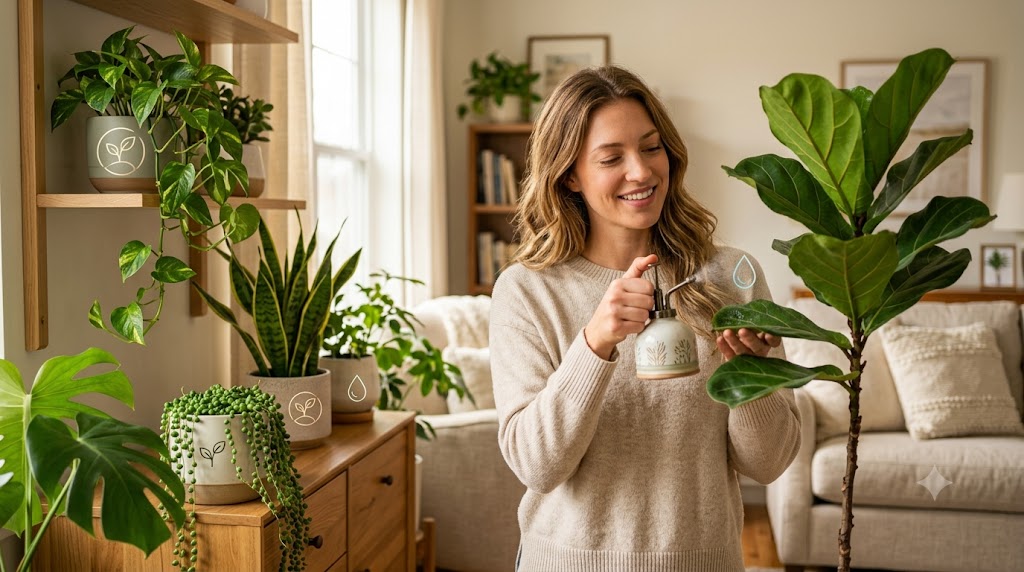
Few decor elements bring as much life, freshness, and warmth to a home as indoor plants. They soften hard edges, add natural color and texture, and create a sense of calm that’s difficult to achieve with furniture or decor alone. Best of all, plants are one of the most affordable ways to elevate a space, whether you’re working with a single small succulent or an entire indoor jungle.
Despite their appeal, many people hesitate to bring plants into their home, worried about keeping them alive or unsure how to style them well. This guide covers everything from choosing the right plants for your light conditions to styling greenery like a professional, so you can bring genuine life into your home with confidence.
It also helps to remember that plant care is a skill that improves with a little practice, not something people are simply born knowing. Nearly every experienced plant owner has lost a plant or two while learning to read watering needs and light conditions. Starting with a resilient variety and paying attention to how it responds over the first few weeks is usually enough to build the confidence needed to expand a collection.
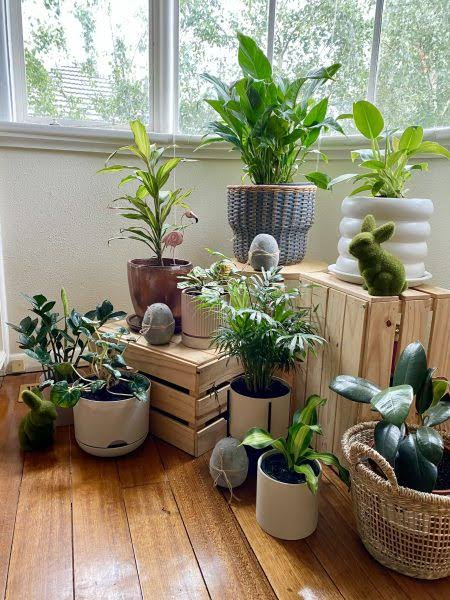
Plants add something that no other decor element quite replicates: living, changing texture and color. Unlike furniture or textiles, plants grow and shift over time, giving a room a sense of vitality that static decor can’t match.
Beyond their visual appeal, indoor plants have practical benefits as well. Many varieties help improve indoor air quality, and simply having greenery nearby has been associated with a calmer, more relaxed mood. This combination of beauty and function is part of why plants have remained one of the most popular and enduring decor choices.
Key Point: Plants don’t just decorate a space — they bring it to life in a way that changes and grows over time.
Choosing Plants Based on Light Levels
The single biggest factor in plant success is matching a plant’s light requirements to the actual conditions in your home. Choosing a plant that needs bright, direct light for a dim corner — or vice versa — is one of the most common reasons plants fail to thrive.
Bright, Direct Light: Succulents, cacti, and most flowering plants thrive near south-facing windows with several hours of direct sun.
Bright, Indirect Light: Pothos, monstera, and rubber plants do well near windows but out of direct sun exposure.
Low Light: Snake plants, ZZ plants, and pothos tolerate low-light corners and rooms with limited natural light better than most other varieties.
Key Points:
Low-Maintenance Plants for Beginners
For anyone new to plant care, starting with resilient, forgiving varieties makes a significant difference in long-term success and confidence. These plants tolerate occasional missed waterings and a range of light conditions far better than more delicate species.
Beginner-Friendly Options:
Starting with one or two of these varieties allows you to build confidence and routine before branching out into plants with more specific care requirements.
The right planter does more than hold soil — it becomes part of the room’s overall decor. A plant in an ill-fitting or mismatched pot can look out of place, while a thoughtfully chosen planter elevates even the simplest plant into a genuine design element.
You don’t need expensive pots to achieve this. Repurposed containers, thrifted ceramics, or even a simple coat of paint on a plain planter can create a cohesive, stylish look that fits your home’s existing decor.
Practical Ideas:
Living Room: A larger floor plant, like a fiddle leaf fig or rubber plant, works well as a statement piece in a corner with good natural light.
Bedroom: Choose calming, low-maintenance plants like pothos or snake plants, which also tolerate the lower light levels common in bedrooms.
Kitchen: Herbs like basil, mint, or small potted plants on a windowsill add greenery while serving a practical, functional purpose.
Bathroom: Humidity-loving plants like ferns or peace lilies thrive in the naturally moist environment of a bathroom.
Home Office: A small desk plant, like a succulent or a compact pothos, adds a calming presence without taking up much space.
In small homes, floor space is often at a premium, making vertical and hanging plant solutions especially valuable. These options add greenery without competing for the limited floor space available.
Practical Ideas:
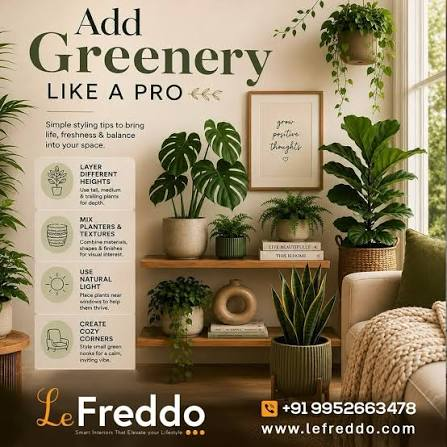
Professional stylists rarely place plants randomly — they follow a few simple principles that make greenery feel intentional rather than scattered. Varying plant height, leaf shape, and pot style creates visual interest, while grouping plants of different sizes together mimics the natural layered look of an outdoor garden.
Key Points:
Most of these mistakes come from enthusiasm outpacing experience — it’s tempting to fill a home with plants all at once after a burst of inspiration, but a slower, more gradual approach almost always leads to healthier plants and a more confident, less stressful care routine in the long run.
1. What are the easiest indoor plants for beginners? Snake plants, pothos, and ZZ plants are among the easiest, tolerating low light and occasional missed watering.
2. How do I know if a plant is getting too much or too little light? Leggy growth or pale leaves often indicate too little light, while scorched or crispy leaf edges can indicate too much direct sun.
3. Do all pots need drainage holes? Ideally yes, but a decorative pot without drainage can still be used with a plastic liner or inner pot that does have drainage.
4. How often should I water my indoor plants? It varies by plant, but a good rule is to check the soil moisture first rather than watering on a fixed schedule.
5. Can plants really improve air quality indoors? Yes, certain plants have been shown to help filter some indoor air pollutants, though their overall effect is modest compared to good ventilation.
6. What plants work well in low-light apartments? Snake plants, ZZ plants, and pothos are among the most tolerant of low-light conditions common in apartments.
7. How many plants should I put in one room? There’s no fixed number, but grouping plants in odd numbers with varied heights tends to create the most visually balanced look.
8. Is it normal for plants to lose a few leaves after being brought home? Yes, some leaf loss is common as a plant adjusts to a new environment, as long as new growth continues to appear over time.
Indoor plants are one of the most rewarding and affordable ways to bring life, texture, and calm into your home. Start with one or two low-maintenance varieties, choose planters that suit your space, and build your collection gradually as your confidence grows. Over time, a thoughtfully styled collection of greenery can become one of the most defining and beloved features of your home.

Leave a comment